
Important Online Gameplay Tips for Safer Competitive Gaming
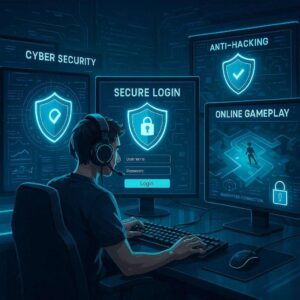 Online gaming has become one of the largest digital activities in the world. Millions of players connect daily to compete, communicate, stream content, and participate in ranked matches. As online gaming communities continue growing, cybersecurity has become more important than ever. Players are not only protecting game progress anymore. They are also protecting personal information, digital purchases, accounts, payment details, and online identities.
Many gamers focus heavily on gameplay improvement, rankings, and competition. However, weak security habits can quickly create serious problems. A stolen gaming account, malware infection, or phishing attack can damage years of progress. Competitive players who spend large amounts of time building rankings and collections often become attractive targets for cybercriminals.
Cybersecurity in gaming is no longer only a concern for developers and large companies. Individual players also need to understand basic protection methods. Simple habits such as using strong passwords, avoiding suspicious links, and securing devices can greatly reduce online risks.
Online gameplay tips now include much more than aiming, teamwork, or strategy. Safe gaming habits are becoming part of competitive preparation. Players who understand cybersecurity can focus more on improving performance without constantly worrying about account threats or online scams.
Common Cybersecurity Threats in Online Gaming
One of the most common cybersecurity threats in gaming is phishing. Phishing happens when attackers create fake websites, emails, or messages that appear legitimate. The goal is to trick players into sharing account information or payment details.
Gaming-related phishing often appears through fake tournament invitations, reward claims, or login requests. A message may promise free skins, bonus rewards, or ranking improvements. Once the player enters account information, attackers gain access to the account.
Fake login pages are especially dangerous because they often look nearly identical to official websites. Players should always check website addresses carefully before logging in. Small spelling differences or unusual links are often warning signs.
Malware is another major risk for online gamers. Malware refers to harmful software designed to damage systems or steal information. Some malware hides inside fake game downloads, cheats, mods, or unofficial software tools.
Competitive players sometimes search for shortcuts to improve rankings or unlock features. This creates opportunities for attackers to distribute infected files disguised as gaming tools. Downloading files only from trusted sources greatly reduces this risk.
Account theft remains a serious problem in competitive gaming. Gaming accounts may contain expensive digital items, high rankings, or linked payment methods. Attackers often target valuable accounts for resale or personal use.
Weak passwords make account theft much easier. Many players reuse passwords across multiple websites. If one platform suffers a data breach, attackers may attempt to use the same password on gaming accounts. Strong and unique passwords are extremely important for account safety.
Two-factor authentication adds another layer of protection. This feature requires an additional verification step during login, such as a mobile code or authentication app. Even if a password is stolen, accessing the account becomes much harder.
Public Wi-Fi networks can also expose players to risks. Gamers traveling or playing outside the home may connect to unsecured networks in hotels, cafés, or airports. Attackers on the same network may attempt to monitor activity or intercept data.
Voice chat and messaging systems can also create cybersecurity concerns. Some attackers use social engineering tactics to manipulate players into sharing information or clicking malicious links. Social engineering relies on trust, urgency, or emotional pressure rather than technical hacking.
DDoS attacks are another threat in competitive gaming. These attacks overload internet connections or servers with massive amounts of traffic. Some players use DDoS attacks to disrupt matches or disconnect opponents unfairly.
Streaming platforms also introduce additional security concerns. Public visibility can expose streamers to harassment, phishing attempts, or account targeting. Content creators and competitive players should carefully manage privacy settings and account protection.
Mobile gaming has expanded cybersecurity risks further. Smartphones often store personal data, payment apps, and gaming accounts together. Weak mobile security may expose players to both financial and gaming-related attacks.
Even gaming communities and forums can contain security risks. Fake giveaways, suspicious advertisements, or unofficial downloads may spread malware or scams. Players should remain cautious even within familiar communities.
Important Online Gameplay Tips for Better Security
One of the best online gameplay tips for cybersecurity is using strong passwords. A strong password includes a mix of letters, numbers, and symbols. Players should avoid simple passwords based on names, birthdays, or common words.
Using different passwords for every platform is also important. If one account becomes compromised, separate passwords prevent attackers from accessing additional accounts.
Enabling two-factor authentication is another highly effective protection method. Most major gaming platforms now support this feature. It adds extra security without making account access difficult for the player.
Players should also update devices regularly. System updates often include important security fixes that protect against newly discovered vulnerabilities. Delaying updates for long periods may leave systems exposed to attacks.
Antivirus software helps detect and block harmful files. While security programs may occasionally affect gaming performance slightly, proper configuration allows players to stay protected without major interruptions.
Players should avoid downloading unofficial software related to cheats, hacks, or suspicious ranking tools. Many of these files contain malware or account-stealing programs. Legitimate competitive improvement comes from practice, strategy, and teamwork rather than unsafe shortcuts.
Checking website security is another important habit. Official gaming websites usually use secure connections marked by “https” in the browser address. Suspicious websites often lack proper security certificates or contain poor design quality.
Privacy settings should also be reviewed carefully. Players should avoid publicly sharing personal information such as home addresses, phone numbers, or financial details inside gaming communities or live streams.
Email security is equally important. Gaming accounts are often connected to email addresses. If an attacker gains access to the email account, they may reset gaming passwords easily. Strong email security protects connected gaming services as well.
Players should also be cautious with friend requests and direct messages. Attackers sometimes pretend to be teammates, tournament organizers, or gaming staff to gain trust. Suspicious links or urgent requests should always be verified carefully.
Backup systems help reduce long-term damage if problems occur. Important files, screenshots, videos, or content creation projects should be stored safely through backups or cloud storage.
For streamers and content creators, moderation tools are valuable. Proper moderation reduces spam, harassment, and malicious links during live broadcasts. Streaming safely helps protect both creators and viewers.
VPN services can improve privacy when gaming on public networks. While VPNs do not solve every security problem, they help protect data traffic and reduce exposure on unsecured internet connections.
Gaming parents should also understand cybersecurity basics. Children and younger players may not recognize scams or suspicious behavior easily. Open discussions about online safety help create safer gaming experiences for families.
Gaming devices themselves should remain physically secure. Leaving unlocked devices in public areas can expose accounts or sensitive information. Simple habits like locking screens and using device passwords add extra protection.