The Hidden Threat Map: How the Similar Subreddits Finder Exposes Cyber-Security Blind Spots
A new infostealer popped up in an obscure corner of Reddit last April. Within 48 hours the same binary spread to eleven related subreddits. Most security teams only noticed it three weeks later when VirusTotal alerts finally lit up. By then, thousands of endpoints were already compromised.
Threats now move faster than most SOCs can track. Yet the solution is surprisingly simple: it’s very easy to find related subreddits that share the exact same users. One free tool turns those connections into a visual map and suddenly you see the entire underground ecosystem at a glance.
From Hours of Hunting to One Click
Picture this. You spot suspicious chatter in r/ReverseEngineering about a fresh ransomware decryptor. Where will the actual samples appear next? The old way meant manual searches, bookmark lists, and endless scrolling. The new way is different.
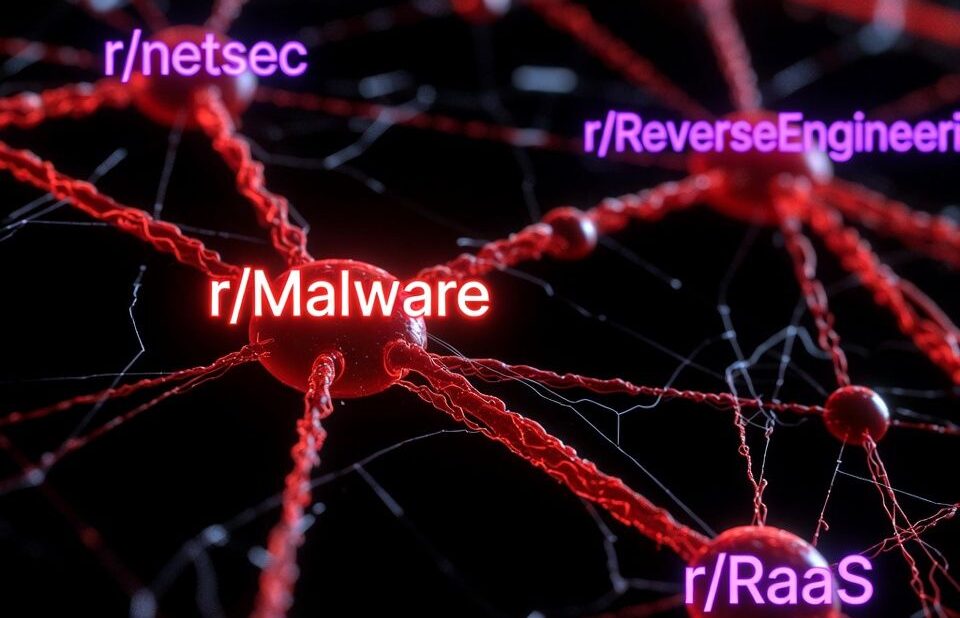
Type r/Malware or r/netsec into the tool. Seconds later a network graph appears. Large circles show big communities. Thick lines reveal strong user overlap. Smaller, lesser-known nodes often turn out to be goldmines, private invite-only groups, language-specific forums, or brand-new subs that Google barely indexes.
One blue-team analyst ran the map after seeing a new campaign in r/cybersecurity. The graph instantly exposed 17 tightly linked communities. That single picture cut his daily monitoring from four hours to under half an hour. His team patched the vulnerable software before the first victim in their sector got hit. Because even the best traditional defenses arrive too late against fresh threats, understanding the real limits and strengths of antivirus and anti-malware tools stays critical alongside these early-warning maps.
Real-World Use Cases That Save Companies
Security teams now rely on these maps daily. Here are the patterns they catch first:
- Exploit migration – A proof-of-concept drops in r/exploits, moves to r/HowToHack within hours, then lands on dark-web marketplaces the next day.
- Ransomware affiliate tracking – Start at r/RaaS, follow the bridges, and you often land on recruitment channels and leak sites before the big blogs write about them.
- Credential markets – Stolen corporate access appears in niche subs weeks before it reaches the usual marketplaces.
- State-actor chatter – Discussions jump from English-language forensics subs to region-specific or language-specific communities where defenders rarely look.
Each line on the map is backed by millions of real comments, not guesses.
Red Teams Love It Too
Penetration testers and OSINT operators use the exact same maps in reverse. Enter the name of your target company. The graph quickly shows where employees complain about internal tools, post VPN errors, or accidentally leak configuration details. One tester found a hidden subreddit where a Fortune-500’s developers shared debug logs, all because the tool highlighted a tiny 8,000-member community linked to the main corporate sub.
Stay Safe While You Lurk
Follow these rules and you will never burn an account or cross a line:
- Never post or comment, only read
- Use fresh throwaway accounts with no connection to your real identity
- Export the graph as an image and check it monthly, communities shift fast
- Combine with Tor or a VPN if you enter questionable corners
Your Threat Landscape Starts Here
One updated map beats a shelf of expensive threat-intel subscriptions when it comes to emerging risks. Open the tool today, type your seed subreddit, and watch the hidden connections appear. Because in 2025, the analyst who sees the full picture first usually stops the breach first.